Introduction
Cloud computing trends in 2025 are transforming the way businesses store, process, and use data. With emerging technologies like AI, edge computing, and multi-cloud strategies, cloud adoption continues to accelerate across industries. Understanding these trends will help businesses stay competitive, reduce costs, and improve scalability.

1. AI and Machine Learning Integration
Artificial intelligence and machine learning are now common parts of cloud platforms. Cloud providers are offering AI-powered tools for data analytics, customer personalization, and predictive maintenance.
2. Multi-Cloud and Hybrid Strategies
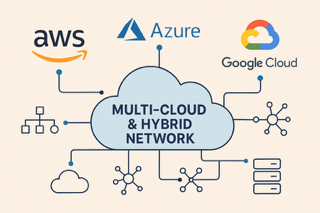
Companies are not depending on just one provider anymore.Multi-cloud and hybrid approaches help avoid vendor lock-in, improve uptime, and optimize workloads.
3. Edge Computing Expansion
Edge computing reduces latency by processing data closer to the source. This is critical for IoT, autonomous vehicles, and real-time analytics.
4. Cloud Security Automation
As threats evolve, automation in security is becoming a must. Cloud-native security tools now use AI to detect anomalies faster and prevent breaches.
5. Industry-Specific Cloud Solutions
Healthcare, finance, manufacturing, and retail are adopting industry-specific cloud platforms with compliance and specialized features.
6. Sustainability in Cloud Services
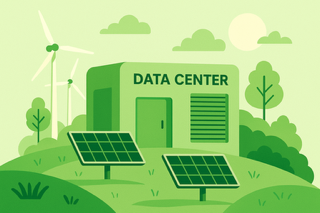
Green cloud initiatives are growing. Providers are shifting to renewable-powered data centers and offering carbon footprint tracking for clients.
Conclusion
Cloud computing trends in 2025 highlight the shift towards AI-driven, sustainable, and secure solutions. Businesses that adapt quickly will benefit from cost savings, scalability, and a competitive edge.