Why Being Aware of Global Stock Market Trends Is Crucial
Last updated: August 2026.
Nowadays, the worldwide stock market is more interlinked than before.
Incidents in one nation can swiftly influence investments elsewhere, within hours. Whether you’re an investor who focuses on long-term strategies or a short-term trader, comprehending global market trends can aid in making quicker, shrewder, and more profitable decisions.

Important Elements Influencing Global Markets in 2026
Several factors continue to shape financial markets this year:
- Monetary Policies: Central banks in the US, EU, and Asia continue adjusting interest rates in response to inflation data, and shifts in policy tone can quickly move investor sentiment across asset classes.
- Political and Geopolitical Situations: Ongoing disputes, trade tensions, and political transitions continue to influence where global capital chooses to flow.
- Advances in Technology: AI infrastructure, renewable energy, and fintech continue to reshape how industries compete and where investor attention concentrates.
- Currency Shifts: Movements in the US Dollar, Euro, and Yen continue to affect the relative returns of multinational investments and cross-border capital flows.
Sectors to Watch in 2026
Some sectors continue to draw more investor attention than others. For a deeper, ongoing breakdown by sector, see our sector analysis coverage.
1. Technology
The technology sector remains a focal point for growth-oriented investors, with continued attention on AI infrastructure, cloud computing, and semiconductor demand. Companies investing heavily in AI-driven automation have drawn particular investor interest, though valuations across parts of the sector have also drawn increased scrutiny. See our dedicated coverage of the AI and semiconductor sector for more detail.
2. Renewable Energy
Continued commitment toward decarbonization and energy diversification keeps solar, wind, and green hydrogen companies in focus. Renewable-energy-focused funds continue to draw capital, though inflows can vary with policy shifts and interest-rate conditions.
3. Healthcare
An aging population in many developed markets and continued advances in biotechnology keep healthcare stocks in focus, particularly companies working in gene therapy and AI-assisted diagnostics.
4. Financial Services
Digital banking and fintech adoption continue to expand, while traditional banking stocks continue to navigate regulatory scrutiny and interest-rate-sensitive margins. For more on this sector, see our fintech and financial intelligence coverage.
| Sector | Primary Driver | What to Watch |
|---|---|---|
| Technology | AI infrastructure, cloud computing, semiconductor demand | Valuation sustainability as AI capital spending continues |
| Renewable Energy | Decarbonization commitments, energy diversification | Sensitivity to policy shifts and interest-rate conditions |
| Healthcare | Aging population, biotech advances | Progress in gene therapy and AI-assisted diagnostics |
| Financial Services | Digital banking and fintech adoption | Regulatory scrutiny and interest-rate-sensitive margins |

Possible Risks and Rewards for Investors
While opportunities for growth exist, investors should stay mindful of the following risks:
1. Market Variations: Sudden fluctuations — driven by economic data surprises, geopolitical shocks, or shifts in monetary policy — can produce losses for investors who aren’t prepared for volatility.
2. Changes in Regulations: Policy shifts, sometimes announced with little warning, can affect an entire industry’s cost structure or growth assumptions overnight.
3. Risks of Global Economic Downturn: A synchronized slowdown across major economies remains a risk worth monitoring, since it could weigh on corporate earnings broadly rather than in a single sector.
Prospects for profit may still be found in developing markets, niche tech companies, and firms with strong ESG (Environmental, Social, Governance) practices — though none of these are guaranteed outcomes.
Ways to Stay Ahead During Turbulent Market Conditions
1. Keep Up with Reliable Market Resources: For updates, depend on trusted sources such as Bloomberg – Markets and Yahoo Finance – Market News.
2. Diversify Your Portfolio: Divide your assets across various asset classes and regions.
3. Utilize Market Analytics Tools: Platforms like Investing.com – Global Indices provide real-time market data.
4. Implement Stop-Loss Orders: Protect your capital during major downturns.
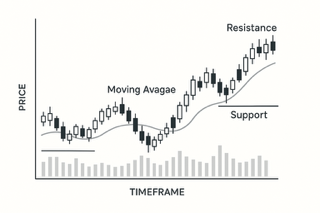
5. Build Your Chart-Reading Skills: Broader trends only tell part of the story — pairing them with how to read stock charts helps you translate macro conditions into individual stock-level decisions.
Conclusion
Heading into 2026, the global stock market continues to present both promising prospects and notable risks. By staying informed, diversifying your portfolio, and leveraging reliable market analytics, you can position yourself for long-term growth. For additional context on domestic conditions, see our U.S. financial market overview.