What Is an IPO?
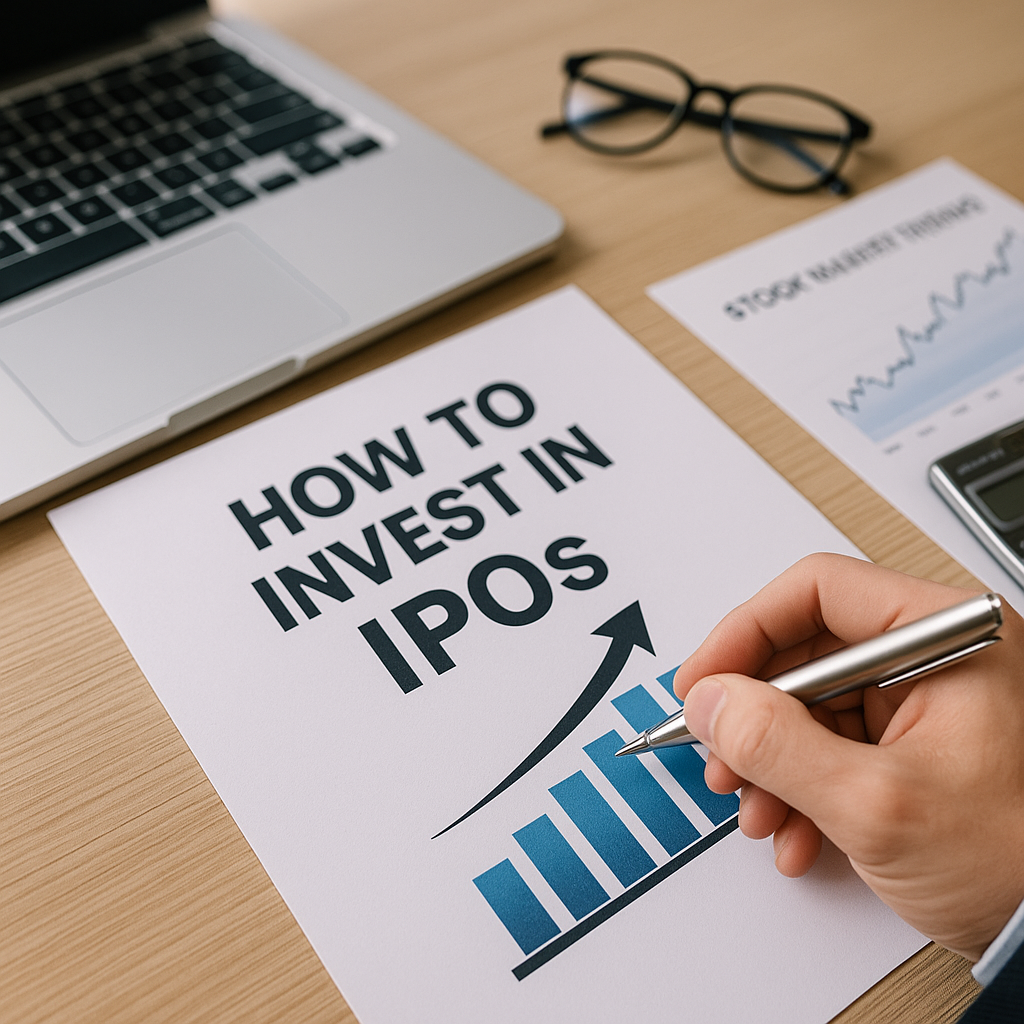
Knowing how to invest in IPOs is essential for any investor looking to get in early on promising companies. An Initial Public Offering (IPO) is one of the most exciting events in the stock market. It’s when a private company offers its shares to the public for the first time. For investors, IPOs can be a chance to get in early on a promising company before its stock begins regular trading. But before you jump in, it’s essential to understand how IPOs work, what risks they carry, and how to invest wisely. In this guide, we’ll cover everything you need to know to confidently invest in IPOs.
An IPO is when a company lists its shares on a stock exchange for public trading. The main reasons companies go public are:
- To raise capital for expansion
- To allow early investors to cash out
- To increase the company’s market visibility
Example: Facebook’s IPO in 2012 raised $16 billion, making it one of the largest tech IPOs in history.
Why Invest in IPOs?
Benefits include:
- Early entry before stock prices potentially rise
- Opportunity to invest in high-growth companies
- Diversification of your investment portfolio

How to Invest in IPOs – Step-by-Step
- Open a Brokerage Account
- Many brokers allow IPO participation (e.g., TD Ameritrade, Fidelity, E-Trade).
- Check IPO Eligibility
- Some IPOs require a minimum account balance or trading activity.
- Research the Company
- Read the prospectus filed with the Securities and Exchange Commission (SEC).
- Apply for Shares
- Submit an IPO application through your broker.
- Wait for Allotment
- IPO shares are allocated based on demand and broker policies.
- Monitor After Listing
- IPO prices can be volatile; decide if you want to hold long-term or sell for quick gains.
Risks of Investing in IPOs
- Price volatility in early trading
- Limited historical performance data
- Overvaluation due to market hype
Pro Tips for Successful IPO Investing
- Only invest in industries you understand
- Avoid investing your entire portfolio in IPOs
- Consider waiting until after the lock-up period ends to buy shares