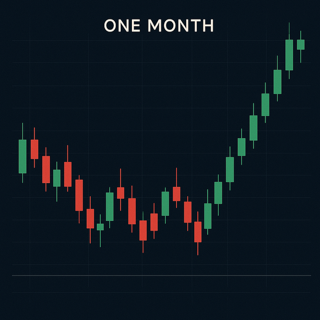
In the United States, an Initial Public Offering (IPO) marks a major milestone where a private company lists its shares on public exchanges like the NYSE or Nasdaq for the first time. U.S. IPOs attract massive attention because they often include high-growth tech, fintech, biotech, and AI companies backed by Wall Street institutions. Learning how to invest in U.S. IPOs safely is essential for American investors, as these offerings can generate strong long-term wealth—but also expose investors to volatility, overvaluation, and regulatory risks unique to the U.S. market. Understanding both the risks and rewards helps investors make informed decisions rather than chasing hype.
Investing in U.S. IPOs safely involves researching the company’s fundamentals, reviewing SEC S-1 filings, understanding IPO valuation, limiting exposure to new listings, and avoiding hype-driven investments. A disciplined, long-term approach helps investors manage risk while benefiting from potential growth opportunities.

How to Invest in U.S. IPOs Safely (Step-by-Step Guide)
The word “safely” in IPO investing means reducing uncertainty and making decisions based on research, not hype. Here are practical steps to help you:
Researching the Company’s Fundamentals
Before putting your money into an IPO, dive deep into the company’s financial health:
-
- Review revenue growth, profitability, and debt levels. A high-growth but loss-making company can be riskier than one with moderate growth and stable profits.
-
- Analyze its business model—is it scalable and sustainable in the long run?
-
- Compare it with competitors in the industry to gauge its market positioning.
Example: If you were evaluating Stripe’s IPO, you’d analyze its payments business, competition from PayPal and Adyen, and growth in digital commerce.
Evaluating IPO Prospectuses and Filings
Every IPO comes with an S-1 filing (in the U.S.) or a prospectus that details:
-
- How the company plans to use the funds raised.
-
- Potential risks (lawsuits, market dependence, regulations).
-
- Details of the company’s leadership and governance.
You can find these documents on the SEC’s EDGAR database or equivalent regulatory portals. Reading them may feel technical, but they provide invaluable insights into whether the company is worth your money.
Understanding U.S. IPO Regulations and SEC Filings
In the United States, all IPOs are regulated by the Securities and Exchange Commission (SEC), which ensures companies provide full and transparent disclosures before going public. Businesses launching an IPO must file an S-1 registration statement outlining financial performance, business operations, leadership, and potential risks. These regulations are designed to protect investors through transparency—not to guarantee profits. While SEC oversight reduces fraud and misinformation, investors are still responsible for evaluating valuation, market conditions, and long-term viability before investing.
Understanding Underwriters and Market Sentiment
Who is underwriting the IPO?
-
- Top investment banks like Goldman Sachs, Morgan Stanley, or J.P. Morgan bring credibility.
-
- Smaller or lesser-known underwriters may signal higher risk.
-
- Check market news, media coverage, and analyst reports for sentiment.
Strong underwriters don’t eliminate risks, but they indicate that institutional investors trust the offering.
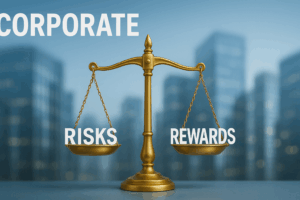
Risks of Investing in U.S. IPOs
IPOs are often surrounded by excitement, but investors must be aware of the risks:
Market Volatility and Price Fluctuations
The first days of IPO trading can be extremely volatile. Prices may surge due to hype and then crash within weeks.
Example: Early investors were disappointed when Robinhood’s IPO suffered a sharp decline after initial excitement.
Lock-in Periods and Liquidity Issues
Insiders (founders, employees) often face a lock-in period of 90–180 days before they can sell shares. When these periods end, stock prices sometimes drop due to large sell-offs.
Limited Historical Data
IPO firms have a shorter public history than established corporations. This lack of historical data makes it harder to forecast performance and increases uncertainty.
Overvaluation and Hype
Some IPOs are priced aggressively to take advantage of investor enthusiasm. This can lead to overvaluation, leaving retail investors with overpriced shares.
Example: WeWork’s IPO was shelved after investors realized its valuation was unsustainable.
Rewards of Investing in IPOs
While risks are real, IPOs also offer rewards if approached carefully:
Early Access to High-Growth Companies
Being an early shareholder in a promising company can generate exponential returns if the company scales successfully.
Potential for High Returns
History shows several IPOs have delivered spectacular results:
-
- Google (2004): IPO price $85 → Now worth thousands after splits and growth.
-
- Amazon (1997): IPO price $18 → Now one of the world’s most valuable companies.
-
- Tesla (2010): IPO price $17 → Now a household name in electric vehicles, with market cap in the hundreds of billions.
Diversification Opportunities
Adding IPOs to your portfolio can increase exposure to new industries, like AI, fintech, renewable energy, or biotech.
Prestige and Market Momentum
Sometimes being part of a high-profile IPO brings a sense of prestige, especially when investing in disruptive companies shaping the future.
Best Strategies to Invest in IPOs Safely
To truly understand how to invest in IPOs safely, follow these strategies:
Long-Term vs. Short-Term IPO Strategies
-
- Short-term investors look for quick gains but face volatility. IPO prices may spike on day one but fall within weeks.
-
- Long-term investors hold through initial swings, betting on the company’s ability to scale.
Example: Although there were short-term swings in Airbnb’s IPO, long-term investors who had faith in the tourism recovery profited.
Risk Management in IPO Investing
-
- Don’t invest more than 5–10% of your wealth in initial public offerings.
-
- Use stop-loss orders if trading short term to avoid steep losses.
-
- Diversify across multiple sectors, not just one IPO.
When to Avoid an IPO
-
- If the company has weak fundamentals but relies on hype.
-
- If the IPO is overvalued compared to peers.
-
- If the industry is uncertain or heavily regulated.
Example: Many investors avoided WeWork’s failed IPO, and it proved to be the right call.
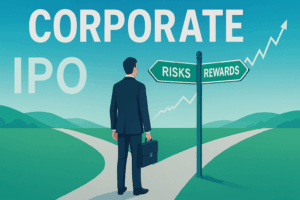
U.S. vs Global IPO Markets: Key Differences for Investors
IPOs aren’t limited to the U.S. market. Investors globally can access opportunities in:
-
- Hong Kong: A hub for Asian tech IPOs (Alibaba, Xiaomi).
-
- London: Traditional market for finance and energy IPOs.
-
- India: Rapid growth with tech unicorns like Zomato and Paytm going public.
Understanding these global trends helps diversify investments beyond local markets.
FAQs About Investing in IPOs Safely
Q1: Can small investors buy IPO shares directly?
Yes, but access is often limited. Institutional investors receive the majority of IPO shares first. Retail investors can participate via brokers like Robinhood, E*TRADE, or Fidelity, depending on allocation.
Q2: Are IPOs suitable for beginners?
Beginners can invest, but it’s safer to start with small amounts. IPOs carry higher risk than blue-chip stocks. New investors should learn by watching how IPOs perform over time.
Q3: How do I track upcoming IPOs?
You can follow financial news sites, the Nasdaq IPO calendar, or platforms like Investopedia. Many brokerage apps also send IPO alerts.
Q4: Should I buy an IPO on day one?
Not necessarily. Some IPOs are overpriced on listing day. Waiting a few weeks can help you assess stability before investing.
Q5: What’s the minimum amount needed to invest in an IPO?
It depends on the broker and allocation, but some allow small investments starting at a few hundred dollars.
Conclusion – How to Invest in IPOs Safely
Learning how to invest in IPOs safely: risks and rewards is about balancing potential profits with smart risk management. IPOs can offer exciting opportunities, but they’re not guaranteed money-makers.
-
- Do your research thoroughly.
-
- Diversify your portfolio.
-
- Avoid getting caught in hype.
-
- Invest only what you can afford to lose.
If approached wisely, IPOs can be a rewarding addition to your investment journey and potentially connect you with the next generation of industry leaders.