Introduction
Advertising is no longer a luxury for small businesses — it’s a survival tool in an increasingly competitive marketplace. In 2025, the best advertising strategies are those that blend creativity, data-driven targeting, and omnichannel outreach.
With more than 4.8 billion people active online, small businesses have an unprecedented opportunity to reach niche audiences worldwide. From cost-effective social media campaigns to high-ROI search ads, the choice of advertising methods can make or break a small business.
In this global case study, we’ll explore six proven advertising channels, real-world examples, and strategic takeaways that small businesses can implement immediately to improve ROI and brand visibility.
1. Social Media Advertising Remains the Most Accessible Channel
Why Social Media Levels the Playing Field
For small businesses, platforms like Facebook, Instagram, TikTok, LinkedIn, and even Pinterest offer the ability to reach highly specific audiences without massive budgets.
Social media ads can be hyper-targeted based on location, demographics, interests, and even online behavior — something traditional advertising can’t match.
Case Example:
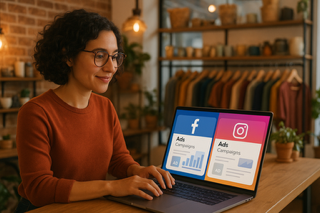
A boutique fashion brand in London allocated just $1,200 over three months to Instagram ads targeting women aged 25–40 within a 10-mile radius. By using a mix of carousel ads, short-form Reels, and time-limited discounts, the brand delivered a 6x return on ad spend (ROAS) and increased in-store visits by 34%.
Additional Insight:
TikTok is emerging as a goldmine for businesses targeting Gen Z and younger millennials. Short, authentic videos showcasing behind-the-scenes processes or user-generated content often outperform polished brand videos.
Strategic Insight:
Social media works best when campaigns combine:
- Compelling visual content (short videos + carousels)
- Hyper-targeted audience segments
- Consistent posting schedules tied to seasonal trends
- A clear call-to-action (e.g., “Shop Now,” “Book a Call,” or “Claim Offer”)
2. Search Engine Marketing (SEM) Delivers High-Intent Leads
Google Ads as a Direct Sales Driver
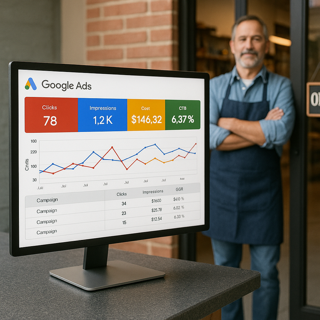
While social media generates awareness, search ads capture intent — people already looking for your product or service. Google Ads and Microsoft Bing Ads allow small businesses to compete with larger players if campaigns are well-structured.
Case Example:
A plumbing service in Sydney used Google Ads with location-based keywords like “emergency plumber near me” and “24/7 plumber Sydney.” With a $1,500 monthly budget, they secured 92 qualified leads in one month, 70% of which converted into paying customers.
Advanced Tip:
Use negative keywords to stop people from clicking on ads that aren’t relevant and to save money on ads that don’t work. Match search ads with a special landing page made for turning visitors into customers — not your main homepage.
Strategic Insight:
The key to SEM success is keyword intent.
- Informational keywords: Build awareness (e.g., “how to fix a leaking pipe”)
- Transactional keywords: Get people who are ready to buy (e.g., “book plumber in Sydney”)
By targeting transactional intent, small businesses can achieve higher ROI and shorter sales cycles.
3. Influencer Partnerships Build Authentic Credibility
Why Micro-Influencers Outperform Celebrities
Influencer marketing is no longer exclusive to large brands. Small businesses can collaborate with micro-influencers (1k–50k followers) who have niche, engaged audiences. These influencers often deliver higher engagement rates than celebrities because they feel more relatable and trustworthy.
Case Example:
A coffee roastery in Toronto partnered with five local food bloggers who each had under 20,000 followers. For the cost of free coffee and a modest fee, the brand gained 40,000 targeted impressions and a 22% increase in online orders within two weeks.
Additional Insight:
Instagram Stories and TikTok videos are currently outperforming static posts when it comes to influencer-driven conversions. Including a trackable discount code allows brands to directly measure sales impact.
Strategic Insight:
When selecting influencers:
- Prioritize engagement rate over follower count
- Ensure audience demographics match your target customers
- Request analytics screenshots to confirm reach and audience quality
4. Content Marketing as a Long-Term Asset
From Blog Posts to Video Tutorials
Content marketing requires patience but delivers compounding results. Whether it’s blog articles, YouTube tutorials, or downloadable guides, valuable content builds trust and attracts organic traffic long after it’s published.
Case Example:
A small SaaS startup in Berlin created a library of “how-to” videos related to project management. Within 8 months:
- Organic traffic tripled
- 25% of trial users came from content-driven leads
- Customer acquisition cost (CAC) dropped by 18%
Additional Insight:
Podcast guest appearances and LinkedIn articles are underrated opportunities for small businesses targeting B2B audiences. They allow businesses to demonstrate thought leadership while attracting high-quality leads.
Strategic Insight:
Content should:
- Solve a problem your customer is actively facing
- Be optimized for SEO with relevant keywords
- Include clear internal links to product/service pages
5. Retargeting Ads to Recapture Lost Leads
Why Retargeting Works for Small Budgets
Most website visitors don’t make a purchase on their first visit — in fact, the average conversion rate for first-time visitors is under 2%. Retargeting ads remind these visitors about your brand and give them a reason to come back.
Case Example:
An online jewelry store in Dubai used Facebook Pixel to run retargeting ads offering 10% off for customers who abandoned their carts. The campaign increased their conversion rate by 18% without a significant increase in ad spend.
Additional Insight:
Google Display Network and Instagram retargeting can also be used to re-engage past customers, not just first-time visitors, making it ideal for promoting seasonal offers.
Strategic Insight:
Segment your retargeting audience for better results:
- Cart abandoners (offer a discount or bonus)
- Product page viewers (send reminders about popular items)
- Newsletter subscribers (promote exclusive deals)
6. Local Partnerships for Offline & Hybrid Reach
How Small Businesses Can Leverage Local Events
Offline advertising still has its place, especially when combined with digital promotion. Sponsoring community events, cross-promotions, and partnerships with complementary businesses can drive both online and offline engagement.
Case Example:
A bakery in Cape Town partnered with a local gym during a city marathon. They provided free muffins to runners, while the gym promoted the bakery on social media. The partnership led to a 40% rise in Instagram followers and consistent in-store traffic the next month.
Additional Insight:
QR codes on event banners and flyers can bridge the offline-to-online gap, directing customers to a special landing page with an exclusive offer.
Strategic Insight:
Local partnerships should aim for:
- Mutual benefit for both parties
- Cross-promotion on social media, email lists, and in-store displays
- A time-sensitive offer to create urgency
Key Global Advertising Statistics for 2025
- 81% of small businesses use social media ads as their primary paid marketing channel
- The average return on ad spend for Google Ads is 200% for local service providers
- 65% of marketers say they get better returns from micro-influencers than from macro-influencers
- Retargeting ads can boost conversion rates by up to 150%
- 72% of consumers prefer buying from brands they’ve interacted with online multiple times
Conclusion
The best advertising for small businesses isn’t about picking a single “magic bullet” channel — it’s about integrating multiple approaches tailored to audience behavior, budget, and long-term goals.
By combining:
- Social media for reach and brand awareness
- Search engine marketing for high-intent buyers
- Influencer partnerships for credibility
- Content marketing for trust-building
- Retargeting for higher conversions
- Local partnerships for community engagement
small businesses can compete effectively on a global stage — often outperforming bigger competitors that lack the agility to adapt quickly.