Machine Learning in business decision making has evolved from a luxury to a necessity. In 2025, the companies that thrive—whether small startups or established enterprises—are the ones using machine learning (ML) to reduce human guesswork, automate insights, and make more accurate, data-backed strategic decisions. How to Use Machine Learning for Smart Business Decision-Making in 2025 is no longer just a trending search query; it is the backbone of modern business survival.
Whether you’re running an e-commerce brand, a logistics company, a SaaS startup, or a consulting agency, machine learning can transform how you predict customer behavior, manage operations, reduce risk, and scale profitably. In this article, we break down what ML means for business owners, how it works in practical settings, and how businesses in the USA and UK are using it to stay competitive.
Why Machine Learning Matters for Smart Business Decisions in 2025
Machine learning in business decision making allows organizations to analyze millions of data points instantly. Instead of relying on intuition or slow manual reporting, ML models learn patterns, detect anomalies, and provide predictions with stunning accuracy.
By 2025, industries have reached a stage where ML is integrated into:
- Marketing forecasting
- Customer segmentation
- Fraud detection
- Risk scoring
- Supply chain optimization
- HR automation
- Revenue prediction
- Personalized recommendations
According to McKinsey, companies using machine learning experience 20–30% faster decision-making and 15% higher profitability.
Real-World USA Example: Walmart’s Predictive Inventory Machine Learning System
Walmart, one of the largest retailers in the U.S., uses machine learning to predict demand patterns across over 4,700 stores. Their ML models analyze:
- Weather data
- Social media trends
- Regional buying habits
- Seasonal behavior
This allows Walmart to know exactly when a product will run out—sometimes before consumers realize they need it.
As a result:
- Shelf stocking accuracy increased by 20%
- Inventory waste decreased by 15%
- Local managers make decisions faster using ML dashboards
This is the perfect example of how to use machine learning for smart business decision-making in 2025, especially for retail and supply chain industries.
Real-World UK Example: Tesco’s Clubcard AI Insights
Tesco, the UK’s largest grocery chain, uses machine learning to analyze data from more than 20 million active Clubcard users. Their AI models personalize promotions for every customer by predicting:
- Buying frequency
- Preferred brands
- Weekly budgets
- Upcoming needs (e.g., baby products before childbirth)
Machine learning in business decision making helped Tesco increase customer retention and personalize discounts, which significantly boosted annual sales.
This is how large UK companies are using ML to outperform competition.
How to Use Machine Learning for Smart Business Decision-Making in 2025 (Step-by-Step Guide)
1. Start With the Business Problem, Not the Technology
Before jumping into ML tools, define the decision you want to improve.
Examples:
- “How can I reduce customer churn?”
- “Which marketing channels give the highest ROI?”
- “How do I predict which products will sell next month?”
The success of machine learning depends on clarity of purpose.
2. Collect High-Quality Data
Machine learning is only as strong as the data feeding it.
Examples of useful business data:
- Sales history
- Customer demographic data
- Website behavior
- Customer support logs
- Marketing analytics
- Inventory data
- Financial metrics
Businesses in the USA and UK are aggressively centralizing their data into warehouses like Snowflake and BigQuery before deploying ML.
3. Choose the Right ML Approach
Here are the three primary types:
🔹 Predictive Analytics
Predict what will happen next.
Useful for:
- Revenue forecasts
- Risk scoring
- Inventory planning
🔹 Classification Models
Group customers or data into categories.
Useful for:
- Customer segmentation
- Fraud detection
- Lead scoring
🔹 Recommendation Systems
Suggest products or actions.
Used by:
- Amazon
- Netflix
- Spotify
This approach explains how machine learning in business decision making becomes actionable.
4. Use Low-Code or No-Code ML Tools (Perfect for 2025)
Business owners no longer need coding skills.
Top ML tools:
- Google Vertex AI
- Microsoft Azure AutoML
- IBM Watson
- BigML
- HubSpot AI Forecasting Tools (https://www.hubspot.com)
- Tableau AI Predictions
These tools automatically:
- Find patterns
- Build prediction models
- Provide dashboards
- Give real-time insights
This democratizes ML for business users.
5. Integrate ML Insights Into Daily Decision-Making
This is where most companies fail—they collect insights but don’t act on them.
Examples:
- If ML predicts a client is likely to churn → send a personalized offer.
- If ML forecasts demand increase → scale inventory 2 weeks early.
- If ML identifies a profitable audience → increase ad budget for that segment.
Businesses that integrate ML insights daily are the ones winning in 2025.
Industry Examples of ML in the USA & UK
1. Banking & Finance (USA)
JPMorgan uses a machine learning system named COiN, which evaluates legal documents in seconds, saving 360,000 hours of work annually.
Decision-making improved in:
- Fraud risk
- Loan approvals
- Transaction detection
2. E-Commerce (USA & UK)
Amazon, ASOS, and eBay use ML for:
- Dynamic pricing
- Personalized product recommendations
- Predictive delivery times
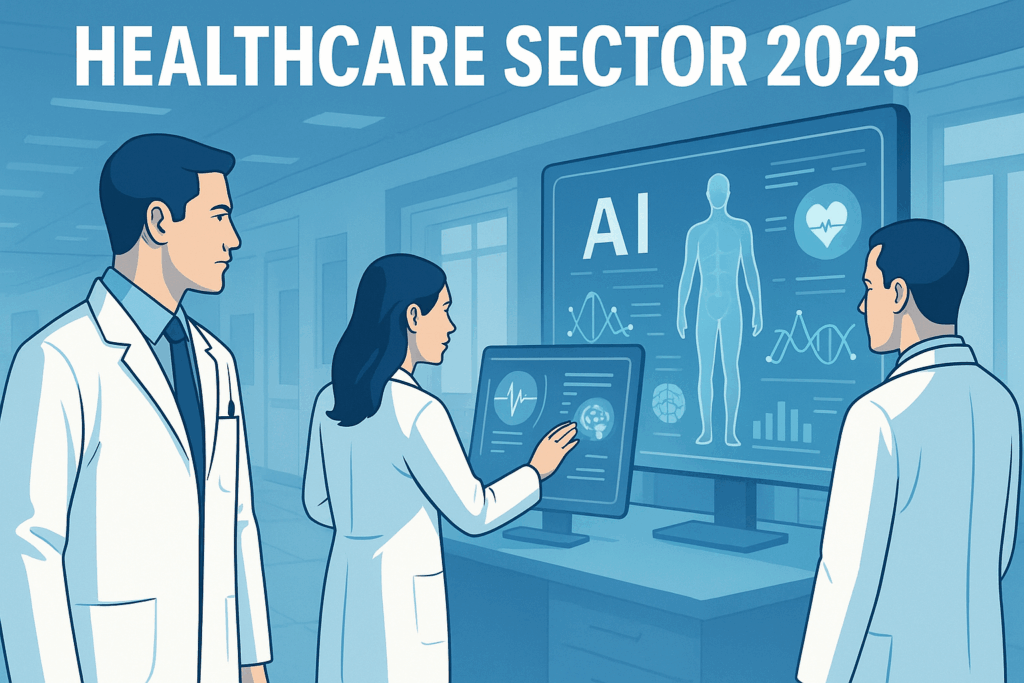
3. Healthcare (UK)
The UK’s NHS uses ML to predict patient risk and optimize resource allocation.
For example, ML identifies which hospitals need extra staff during flu season.
4. Marketing Agencies (Both Regions)
Marketing companies now use ML to forecast campaign performance before spending money.
Example: UK-based digital agency Jellyfish uses ML to optimize paid advertising ROI.
How Small Businesses Can Use Machine Learning — Not Just Big Corporations
Machine learning is not limited to Amazon or Walmart.
Small and mid-sized businesses can use ML in the following ways:
- Predict monthly sales
- Identify which clients are most likely to buy again
- Analyze which services generate the highest profit
- Automate customer support with AI chatbots
- Review employee productivity
- Automate lead scoring for sales pipelines
Even Shopify stores now have built-in ML for forecasting and recommendations.
Common Mistakes Businesses Make with Machine Learning
❌ Using ML without clear goals
❌ Not having enough clean data
❌ Expecting instant results
❌ Ignoring ethical and privacy laws (especially strict in UK & EU)
❌ Not training employees on how to use ML dashboards
Avoid these pitfalls to make ML adoption smooth and effective.
Future of Machine Learning in Business Decision Making (2025–2030)
Machine learning will become embedded in every business software by 2030:
- CRMs will predict deals automatically
- HR tools will anticipate employee attrition
- Accounting tools will detect financial anomalies in real time
- Marketing tools will suggest campaign ideas
- Project management tools will predict delays
As ML continues to evolve, the companies that master it early will dominate.
Conclusion: The Smartest Companies of 2025 Are the Ones Using ML Daily
In summary, How to Use Machine Learning for Smart Business Decision-Making in 2025 is all about:
- Understanding your business problems
- Collecting high-quality data
- Choosing the right ML model
- Implementing actionable insights
Machine Learning in business decision making allows companies in the USA and UK to scale faster, reduce risk, improve customer experience, and operate more efficiently.
The question now is no longer “Should we use ML?”
It is “How fast can we integrate ML before competitors do?”